Ingredient scan 02
Ginkgo Biloba in MemoPryl: Studies and Bleeding Risk
Ginkgo biloba is a leaf extract sold for memory, and it is the second of six names tied to MemoPryl through a sibling pack. A large trial found it did not lower dementia rates, and it may raise bleeding risk with blood thinners. Keep taking prescribed medicine and ask your doctor or pharmacist first.
Written by the MemoPryl label deskUpdated
Scan 01 · The name01
What is ginkgo biloba leaf extract?
Ginkgo biloba leaf extract comes from the leaves of the ginkgo tree. It is among the best-known herbal products sold for memory.
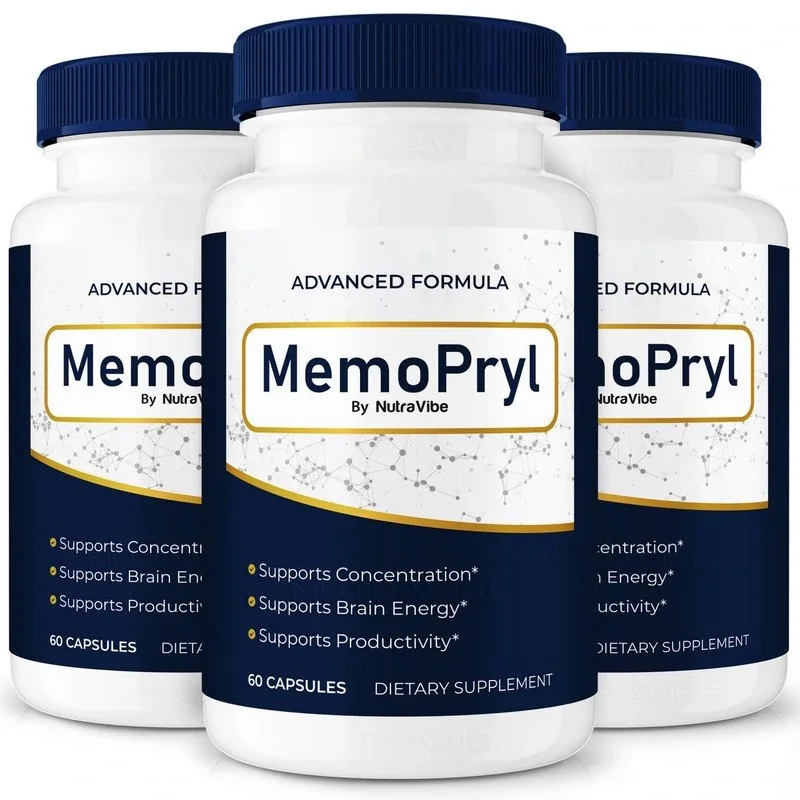
The seller's product notes name "ginkgo biloba leaf" on a sibling MemoPryl pack. That is not confirmed for the bottle you receive, and no image we hold prints an amount. The Supplement Facts panel on your bottle is the only proof.
Leaf extract and raw seed are different things. NCCIH warns that fresh ginkgo seeds are toxic, so a supplement should name the leaf on its label (NCCIH, Ginkgo).
Check: does your panel say "leaf" and give a milligram figure? If the bottle lists ginkgo with no amount, treat that as a gap to close before you start.
| Name in the seller's notes | Ginkgo biloba Leaf |
|---|---|
| What it is | Leaf extract from the ginkgo tree |
| On the bottle? | Unconfirmed: named in the seller's product notes from a sibling pack; no Supplement Facts panel was supplied |
| Amount per capsule | Not printed (no Supplement Facts panel supplied) |
| Amount used in research | 120 mg twice a day (240 mg) in the large GEM trial of 3,069 adults aged 75 or older |
| Strength of evidence | No lower dementia or Alzheimer's rate than placebo in the GEM trial; NCCIH calls benefit for healthy people uncertain |
| Marketed use | Sold for memory and focus |
| Main caution | May raise bleeding risk, especially with warfarin, aspirin or other blood thinners; seizures reported in people at risk. |
Scan 02 · The big trial02
Does ginkgo biloba help memory?
Not in the best study we have. A large trial of older adults found ginkgo did not lower the overall rate of dementia or Alzheimer's disease compared with placebo.
The GEM trial enrolled 3,069 volunteers aged 75 or older. About 2,600 had normal thinking and 482 had mild cognitive impairment. They took 120 mg of ginkgo extract twice a day, or placebo, for a median of 6.1 years (DeKosky 2008, GEM trial, JAMA).
The hazard ratios were 1.12 for all-cause dementia and 1.16 for Alzheimer's disease. Both ranges crossed 1, so the study saw no benefit. The authors concluded that the dose was not effective in reducing overall dementia or Alzheimer's disease (DeKosky 2008, GEM trial, JAMA).
NCCIH adds that it is unclear whether ginkgo helps milder cognitive impairment, and that benefit for healthy people is uncertain (NCCIH, Ginkgo). MSK reaches a similar view (MSK, Ginkgo).
Scan 03 · The review03
Why do some reports say ginkgo works?
Some earlier studies showed gains, but a closer look shows the pooled result leaned on a few trials. When two were removed, the effect nearly vanished.
A 2009 Cochrane review of people with cognitive impairment pooled eight studies and 1,930 participants at 22 to 26 weeks. The overall result looked positive. Dropping two individual studies left a result close to zero across six studies (Cochrane 2009, ginkgo and dementia).
That pattern is a warning sign. When a finding rests on one or two studies, it can disappear in the next larger trial, and the GEM trial was just that larger test (DeKosky 2008, GEM trial, JAMA).
| Source | What it found |
|---|---|
| GEM trial, 3,069 adults | No lower dementia or Alzheimer's rate than placebo (DeKosky 2008, GEM trial, JAMA) |
| Cochrane review, 2009 | Pooled result depended heavily on individual studies (Cochrane 2009, ginkgo and dementia) |
| NCCIH | Benefit in healthy people uncertain (NCCIH, Ginkgo) |
| MSK | Does not improve cognitive performance in large trials (MSK, Ginkgo) |
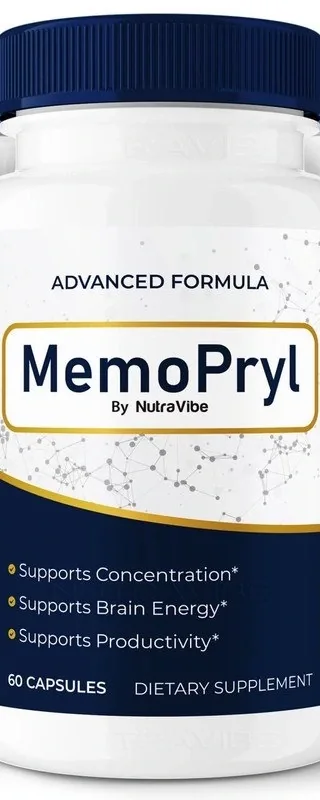
MemoPryl: capsules in 2, 3 or 6 bottlesRead the bottle · check your medicines · 60-day window (confirm)
See packsScan 04 · Bleeding04
Is ginkgo safe with blood thinners or before surgery?
Not without asking. Ginkgo may raise bleeding risk, so people who take warfarin, aspirin or other blood thinners should talk to a pharmacist before using it.
FDA lists ginkgo, warfarin, aspirin and vitamin E as products that can each thin the blood. Taking them together may raise the chance of internal bleeding or stroke (FDA, Mixing Meds and Supplements).
A health professional may ask you to stop supplements two to three weeks before a procedure (FDA, Mixing Meds and Supplements). Tell your surgeon and dentist about every capsule you take.
Keep taking prescribed medicine, and ask your doctor or pharmacist before you start.
Scan 05 · Ask first05
Who should ask a doctor before using ginkgo?
Anyone on blood thinners, anyone with a bleeding disorder or a seizure history, and anyone with surgery or dental work planned. A short call to a pharmacist covers it.
MSK lists spontaneous bleeding case reports, including hematomas and cerebral bleeding. It also lists seizures in people who are predisposed or take medicines that lower the seizure threshold (MSK, Ginkgo). The usual side effects of leaf extract are dizziness, stomach symptoms and headache (NCCIH, Ginkgo).
Medicines
Warfarin, aspirin, other blood thinners, and medicines that affect seizures.
Procedures
Surgery, dental work, or a scan with a needle. Give dates to your care team.
Conditions
Bleeding problems, seizure history, pregnancy or nursing.
If you notice unusual bruising, bleeding, or a severe headache after starting a supplement, stop it and contact your provider. You can also report a problem to FDA (FDA, Report a Supplement Problem).
Next step: read the pharmacist questions and the ingredient list, then compare them with your own medicine list.
FAQ06
Ginkgo biloba questions people ask
Can I take ginkgo biloba with warfarin?
Ask your doctor or pharmacist first. FDA says ginkgo, warfarin, aspirin and vitamin E can each thin the blood, and combining them may raise the risk of internal bleeding. Keep taking your prescribed medicine until you have asked.
How long before surgery should I stop ginkgo?
Your care team decides. FDA notes that a professional may ask you to stop supplements two to three weeks before a procedure. Tell your surgeon and dentist about ginkgo early.
What were the ginkgo trial results in older adults?
In the GEM trial of 3,069 adults aged 75 or older, ginkgo did not lower overall dementia or Alzheimer's rates compared with placebo over a median of 6.1 years. The dose was 120 mg twice a day.
What are the common side effects of ginkgo?
NCCIH lists dizziness, stomach symptoms and headache as the most common effects of leaf extract. Allergic skin reactions are also reported. Stop and call your provider if a symptom worries you.
Is ginkgo biloba the same as ginkgo seed?
No. Supplements use leaf extract. NCCIH warns that fresh ginkgo seeds are toxic. Check that your label names the leaf.
Does ginkgo cause seizures?
MSK reports seizures in people who are predisposed or who take medicines that lower the seizure threshold. If you have a seizure history, ask your doctor before using any product with ginkgo.
How much ginkgo does MemoPryl contain?
Not printed on any image we have. Ginkgo is named on a sibling pack, and no Supplement Facts panel was supplied. Confirm the amount and the word leaf on your bottle.
Who wrote this07
Written and reviewed by
Pages built from the bottle images, the seller's product notes and linked NIH, FDA, FTC and peer-reviewed sources.
Last updated . Learn about our editorial standards and how we check reviews. This website is run by Official stocking desk for MemoPryl, not by the manufacturer or the distributor of the bottle. We make money when you buy through our order links.
Keep reading
More about MemoPryl
Official stocking desk for MemoPryl
Ready to look at MemoPryl?
Read the bottle you receive, check your medicines with a pharmacist, then choose a pack. Prices and the guarantee terms are confirmed at checkout.
- Order desk: +1 (302) 200-3480
- 60-day window (confirm at checkout)
- Ships from the U.S. unless the checkout says otherwise