Guide · Foggy thinking
Brain Fog Checklist: Causes to Rule Out First
Brain fog is a loose word for slow, hazy thinking, and it has common causes you can check yourself. Use this brain fog checklist to rule out sleep, medicines, caffeine, mood and daily habits first. A supplement like MemoPryl is a last question, not the first.
Written by the MemoPryl label deskUpdated
What is brain fog, and is it a diagnosis?
Brain fog is not a diagnosis. It is a plain-language name for feeling slow, distracted or unable to find words. Many different things cause it, and most are fixable.
People describe it as walking into a room and forgetting why, rereading the same line three times, or losing a thought mid-sentence. Those are attention slips more than memory loss. The difference matters, because attention responds to sleep and stress far faster than memory does.
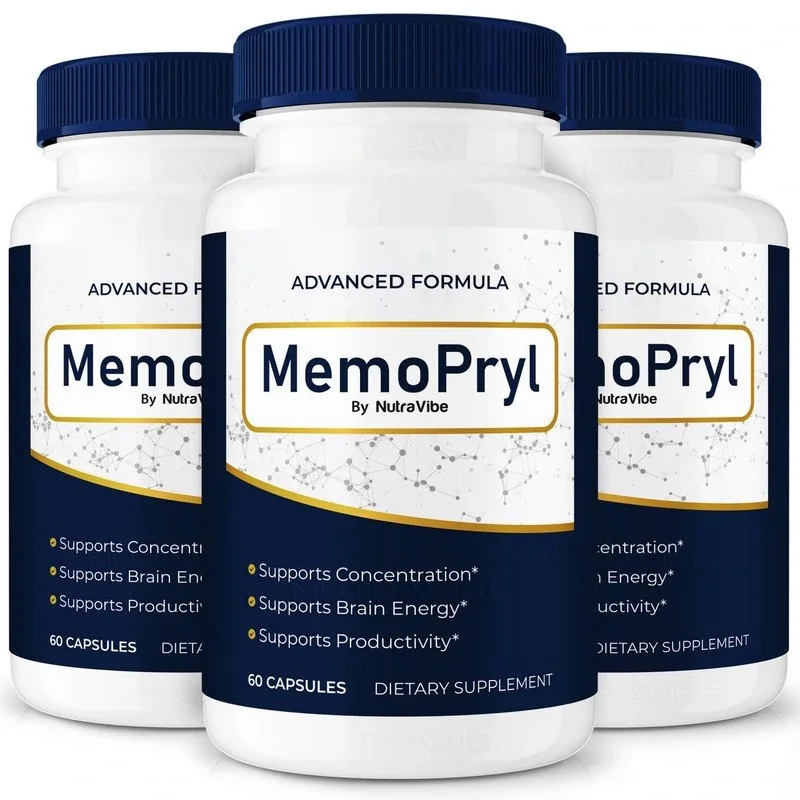
Capsules sold for focus, MemoPryl included, are aimed at this feeling. Before you buy any, run the checks below. They cost nothing, and they tell you whether a capsule even has a job to do.
Is the fog new, or has it been there for years? New and sudden changes deserve a doctor's call. Slow, steady fog usually has a lifestyle cause.
Which causes should I rule out before buying a brain supplement?
Seven causes cover most cases: sleep, medicines, caffeine and alcohol, mood, movement, food and water, and body health. Work down the list in order, since the first three are the quickest to test.
Give each check a fair trial of one to two weeks. Change one thing at a time, or you will not know what helped.
Sleep
Adults need about seven to nine hours, and both deep and dream sleep help you store memories (NIA, Sleep and Older Adults).
Medicines
List every pill, patch and herb. Some cause drowsiness or fog on their own or in combination.
Caffeine and alcohol
Too much caffeine brings jitters, poor sleep and a racing heart (FDA, Caffeine). Alcohol fragments sleep.
Mood and stress
Worry and low mood use up attention. Fog that lifts when stress eases points here.
Movement
Short bursts of activity can boost memory and thinking skills (CDC, Physical Activity and Brain).
Food and water
Skipped meals and thin hydration make afternoons hazy. Diet patterns have been linked to cognition, though only in observational studies (AAIC 2017, diet and cognition).
Body health
Thyroid trouble, low iron or vitamin levels, infections and blood pressure can all show up as fog. Only a clinician can test for them.
How do I test whether sleep is my problem?
Track it for one week. Write down bedtime, wake time, and how clear you felt at 10 a.m. and 3 p.m. A pattern usually appears within days.
NIA lists memory problems among the effects of poor sleep (NIA, Sleep and Older Adults). If you sleep under six hours, wake often, snore loudly or feel unrefreshed, mention it to your clinician. Treatable sleep disorders are a common hidden cause.
| Day | Bedtime | Wake time | Clarity at 10 a.m. (1-5) | Clarity at 3 p.m. (1-5) |
|---|---|---|---|---|
| Monday | Fill in | Fill in | Fill in | Fill in |
| Tuesday | Fill in | Fill in | Fill in | Fill in |
| Wednesday | Fill in | Fill in | Fill in | Fill in |
Copy the pattern for the other four days on paper. Then compare the low-clarity days with the short-sleep nights.
What does a fog-friendly day look like?
It places a walk, regular meals and a fixed bedtime around your day. The dial below shows where each habit fits across 24 hours, including a slot for a capsule if your bottle's directions call for one.
The U.S. activity guideline for adults is 150 to 300 minutes of moderate activity a week, such as brisk walking (HHS, Physical Activity Guidelines). Ten minutes after each meal counts.
Capsule timing is whatever the printed directions say. None of the MemoPryl images we hold shows directions, so the dial leaves the choice to your bottle.
- Morning, one fixed cue
Take it only as your bottle directs. Tying it to a habit, such as breakfast, makes it easier to remember and to note how you feel.
- A brisk walk
Adults are advised to get at least 150 minutes of moderate activity a week; CDC says activity can boost memory and thinking skills.
- Plates that help
In large observational studies, Mediterranean and MIND-style eating went with less cognitive decline. That is association, not proof.
- Night, 7 to 9 hours
NIA says both non-REM and REM sleep help you store memories. Short sleep is a common, fixable cause of poor focus.
Activity from the Physical Activity Guidelines (HHS, Physical Activity Guidelines) and CDC (CDC, Physical Activity and Brain); sleep from NIA (NIA, Sleep and Older Adults); eating pattern from an AAIC release (AAIC 2017, diet and cognition). The capsule timing is whatever your bottle says; the rest is a sample day, not a plan.

MemoPryl: capsules in 2, 3 or 6 bottlesRead the bottle · check your medicines · 60-day window (confirm)
See packsCould my medicines or supplements be adding to the fog?
They can. Medicines and supplements are a common and overlooked cause, particularly when several are used together. Do not stop a prescribed medicine on your own. Ask your doctor or pharmacist to review the list.
Supplements belong on that list. NCCIH notes that herbs can interact with medicines, and that St. John's wort makes many of them less effective (NCCIH, Using Supplements Wisely). FDA adds that a professional may ask you to stop supplements two to three weeks before a procedure (FDA, Mixing Meds and Supplements).
Two of the six names linked to MemoPryl, St. John's wort and ginkgo, carry the best-documented interaction risks. They are named on a sibling pack, so confirm what is on your bottle.
Ask your doctor or pharmacist before you start MemoPryl or any herb. Serotonin syndrome, a rare but serious reaction, can follow mixing serotonin-raising products (MedlinePlus, Serotonin syndrome).
Our pharmacist question list gives you the exact words to use.
When is brain fog a reason to see a doctor?
See a clinician if fog is new, getting worse, or getting in the way of work, driving, money or relationships. Do the same if family notice a change you do not.
NIA says problems remembering recent events or thinking clearly are reasons to talk with a doctor (NIA, Forgetfulness: When to Ask). Losing things often, missing appointments and getting lost in familiar places are signs of possible mild cognitive impairment (NIA, Forgetfulness: When to Ask).
Fog that follows a head injury, comes with confusion, or arrives with a severe headache or trouble speaking is urgent. Seek care the same day.
- Fog for more than a few weeks despite better sleep.
- Changes in mood, appetite or balance alongside it.
- A new medicine or supplement started before it began.
The doctor guide lists the seven signs in full.
Where does a memory capsule fit after the checklist?
At the end, and only if the basics are in place and a clinician has no objection. Even then, expect modest or uncertain results. MemoPryl itself has no published trial.
The research on single ingredients is mixed. The largest ginkgo trial found no drop in dementia (DeKosky 2008, GEM trial, JAMA), and a small phosphatidylserine trial found gains only in people who started with lower memory scores (Kato-Kataoka 2010, soy PS trial). See what the studies say in our evidence summary.
If you still want to try it, read the whole label first, confirm every ingredient on the bottle, and follow its directions exactly. FDA does not approve supplements before they are sold (FDA, Using Dietary Supplements).
FAQ01
MemoPryl questions people ask
What causes brain fog?
Common causes are poor sleep, medicines, too much caffeine or alcohol, stress or low mood, little movement, skipped meals and treatable health problems such as thyroid or vitamin issues. Most are fixable, so rule them out before turning to a supplement.
How long does brain fog last?
It depends on the cause. Fog from a bad week of sleep or high stress often lifts in days once habits settle. Fog that lasts more than a few weeks, or keeps worsening, deserves a call to your clinician.
Does caffeine help or worsen brain fog?
A little can sharpen attention, but too much causes jitters, poor sleep and a fast heart rate. FDA cites 400 mg a day as an amount most adults tolerate, though people vary. Cut back if sleep suffers.
Can a multivitamin clear brain fog?
Only if you were short of something. A clinician can check levels such as iron, B12 or vitamin D with a blood test. Taking extra without a deficiency has no proven focus benefit and may interact with medicines.
Is brain fog an early sign of dementia?
Usually not. Fog is common and often tied to sleep, stress or medicines. But new trouble with recent events, familiar tasks or finding your way is a reason to see a doctor, who can sort out the cause.
Which tests do doctors use for brain fog?
Most start with questions, a medicine review and basic blood tests such as thyroid and vitamin levels. They may check blood pressure, mood and sleep as well. Bring a short log of sleep and symptoms to make the visit faster.
Can exercise improve mental clarity?
Yes, it can help. CDC says short bursts of activity can boost memory and thinking skills, and activity also helps sleep. Aim for brisk walking most days, building up to the weekly guideline over time.
Who wrote this02
Written and reviewed by
Pages built from the bottle images, the seller's product notes and linked NIH, FDA, FTC and peer-reviewed sources.
Last updated . Learn about our editorial standards and how we check reviews. This website is run by Official stocking desk for MemoPryl, not by the manufacturer or the distributor of the bottle. We make money when you buy through our order links.
Keep reading
More about MemoPryl
Official stocking desk for MemoPryl
Ready to look at MemoPryl?
Read the bottle you receive, check your medicines with a pharmacist, then choose a pack. Prices and the guarantee terms are confirmed at checkout.
- Order desk: +1 (302) 200-3480
- 60-day window (confirm at checkout)
- Ships from the U.S. unless the checkout says otherwise