Blog
FTC Supplement Advertising Rules: What Sellers Must Back Up
FTC supplement advertising rules say a health claim needs competent and reliable scientific evidence, usually human clinical testing, and ads must not mislead. Testimonials alone never count as proof. Use that standard when you read any MemoPryl ad: ask what test backs each line.
Written by the MemoPryl label deskUpdated · 5 min read
Who polices supplement ads, FDA or the FTC?
Both, in different lanes. FDA oversees product labels. The FTC oversees advertising, such as web pages, emails and videos.
FDA says it cannot approve supplements for safety or effectiveness before they are sold (FDA, Using Dietary Supplements). The FTC steps in when ads make false or unsupported claims.
Check: the label claim and the ad claim should match. If the ad says more than the bottle, ask why.
What evidence must a seller have for a health claim?
Competent and reliable scientific evidence. In practice that usually means randomized, controlled human clinical testing (FTC, Health Products Guidance).
The FTC updated its supplement advertising guidance in December 2022, replacing a 1998 guide. It says the claim must match what the studies really showed, in the same kind of people and at similar amounts.
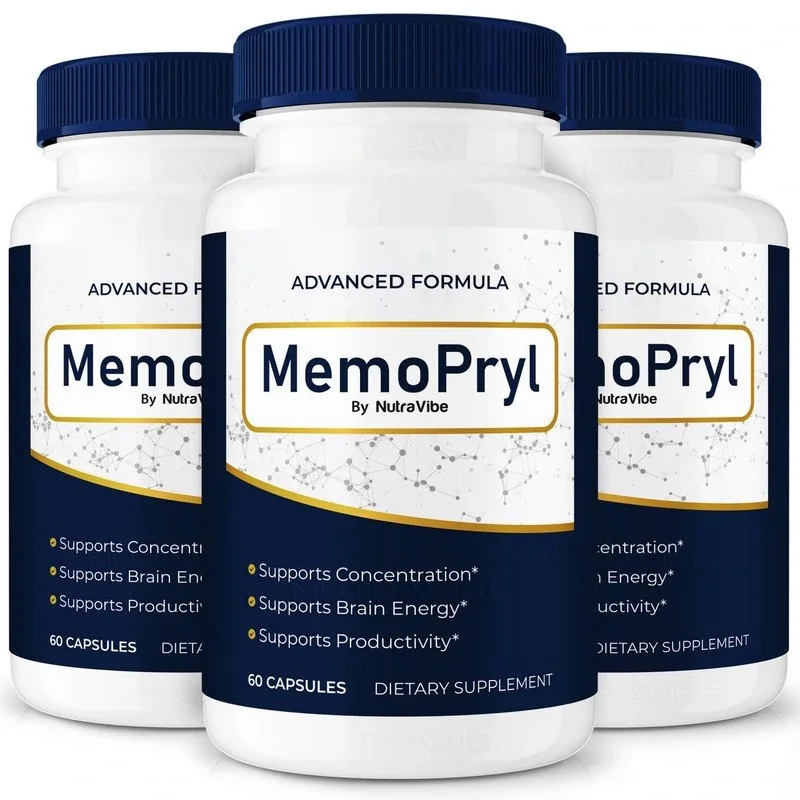
That last point matters for MemoPryl: no amount is printed on any image we hold, so no ad can honestly match a study to the capsule.
Which ad tricks break the rules?
Unsupported disease claims, fake endorsements and made-up proof. The table lists common ones and what to ask.
| What the ad does | Ask |
|---|---|
| Promises to undo memory loss | Which human trial shows that, and at what amount? |
| Quotes customer stories as proof | The FTC says testimonials are not substantiation |
| Uses fake or paid reviews | The 2024 FTC rule bans them |
| Claims an approved facility | FDA does not approve facilities |
| Shows a doctor with no name | Who is the doctor, and what did they review? |
The reviews rule bans false testimonials and undisclosed insider reviews (FTC 2024, fake reviews rule).
MemoPryl: capsules in 2, 3 or 6 bottlesRead the bottle · check your medicines · 60-day window (confirm)
See packsHow do MemoPryl's claims measure up?
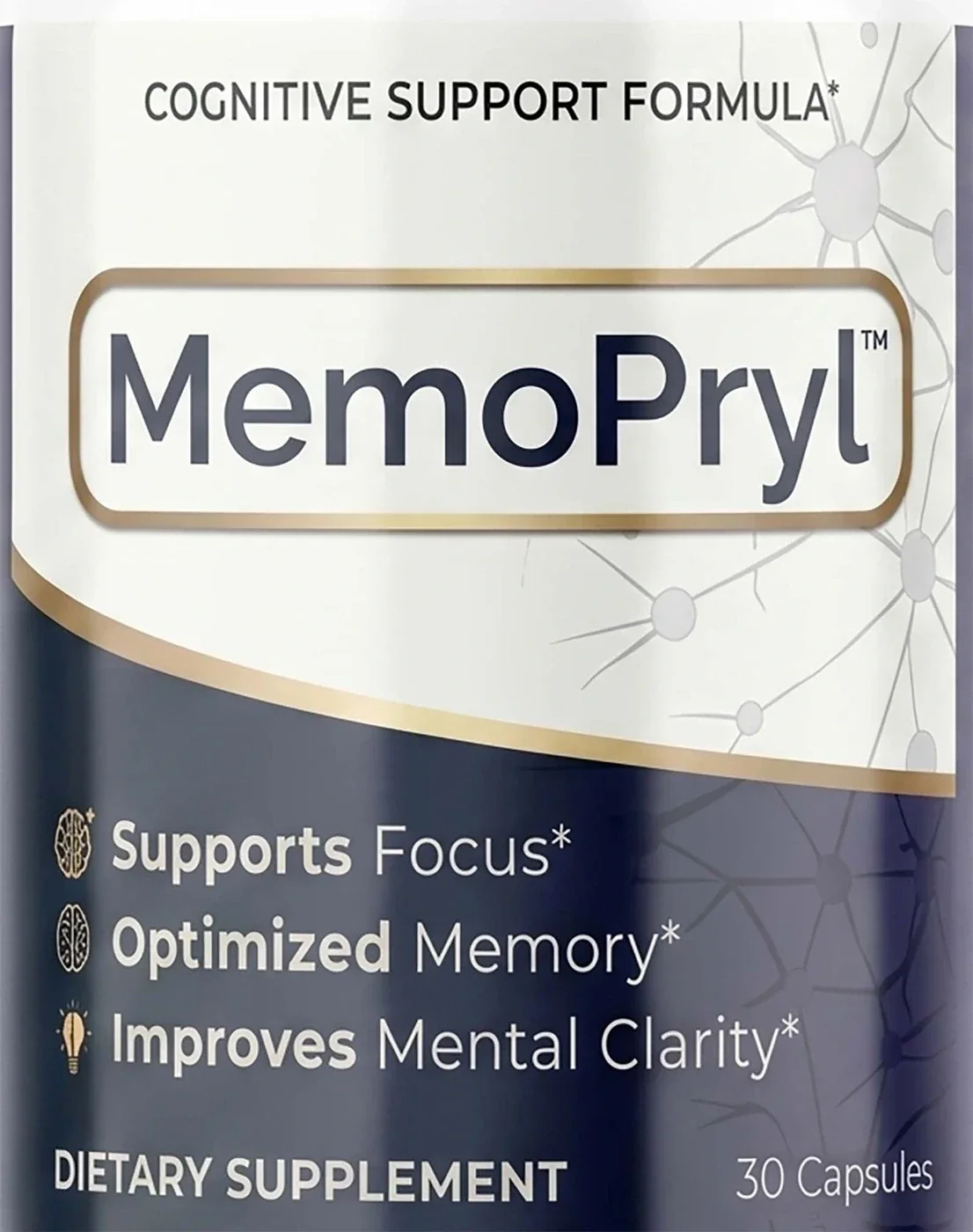
They are structure and function claims with an asterisk, and no trial of MemoPryl itself is published.
The brand badges, such as FDA registered and doctor formulated, name no certifier and no doctor. We treat them as the seller's own words. FDA warns that talk of an approved facility is a warning sign, since FDA does not approve facilities (FDA, Hidden Ingredients).
See the disclaimer page for the FDA statement and what it means.
Thinking about MemoPryl?Check your medicines with a pharmacist first. Prices and the 60-day window are confirmed at checkout.
Middle pack
3 bottles
Not listed on the packNot listed on the pack a bottle · Not listed on the pack
Get 3 bottlesLargest pack
6 bottles
Not listed on the packNot listed on the pack a bottle · Not listed on the pack
Get 6 bottlesPrices are fill-in fields until the seller's list is confirmed. The checkout shows the final total.
What can I do about a misleading ad?
Ask for proof, keep a screenshot and report it. You do not have to prove anything yourself.
- Save the ad and the date.
- Ask the seller for the study behind the claim.
- Report serious reactions to FDA (FDA, Report a Supplement Problem).
- Check any new supplement with your pharmacist.
Keep taking prescribed medicine, and ask your doctor or pharmacist before you start.
FAQ01
MemoPryl questions people ask
Do supplement ads need FDA approval?
No. FDA does not approve supplement ads or labels before sale. The FTC watches advertising for false or unsupported claims. Sellers must still hold evidence for what they say.
Can a supplement ad use customer testimonials?
It can show them, but they do not count as proof of a health claim. FTC guidance says anecdotal stories are never enough, and fake or paid-for ones are banned by a 2024 rule.
Where do I report a misleading supplement ad?
You can report deceptive advertising to the FTC through its website. For a bad reaction to a product, FDA's Safety Reporting Portal is the place.
What does substantiation mean in advertising?
It means the seller must have evidence for a claim before making it. For health claims, that generally means well-designed human studies that match the product and amount.
Who wrote this02
Written and reviewed by
Pages built from the bottle images, the seller's product notes and linked NIH, FDA, FTC and peer-reviewed sources.
Last updated . Learn about our editorial standards and how we check reviews. This website is run by Official stocking desk for MemoPryl, not by the manufacturer or the distributor of the bottle. We make money when you buy through our order links.
Keep reading
More about MemoPryl
Official stocking desk for MemoPryl
Ready to look at MemoPryl?
Read the bottle you receive, check your medicines with a pharmacist, then choose a pack. Prices and the guarantee terms are confirmed at checkout.
- Order desk: +1 (302) 200-3480
- 60-day window (confirm at checkout)
- Ships from the U.S. unless the checkout says otherwise