Blog
Dietary Supplement vs Drug: Four Differences
A dietary supplement vs a drug differs in one big way: drugs need FDA approval before sale, supplements do not. That changes what the label may say, what proof exists and how you should treat both. Four differences matter most.
Written by the MemoPryl label deskUpdated · 4 min read
What is the main difference between a supplement and a drug?
Drugs need FDA approval before they are sold. Supplements do not.
The consumer fact sheet from the NIH Office of Dietary Supplements says medicines need approval, while "supplements do not require this approval" (NIH ODS, Supplements Need To Know). Companies must still have evidence their products are safe and that label claims are truthful.
FDA adds that it is not authorized to approve supplements for safety and effectiveness before they are marketed (FDA, Using Dietary Supplements). The review happens after a product is on the shelf, not before.
How do the claims on the label differ?
A drug may say it treats a disease. A supplement may not.
Supplements use structure/function wording such as "supports focus". FDA does not pre-approve it. The maker must have evidence the claim is truthful and must carry a disclaimer that FDA has not evaluated it (FDA, Structure/Function Claims).
That is why bottles show an asterisk. The star points to a line that says the product is not meant to diagnose, treat, cure or prevent any disease.
An asterisk means "not evaluated", not "proven".
Four differences at a glance
Use this table when a supplement ad sounds like a medicine ad.
| Question | Drug | Supplement |
|---|---|---|
| Approved before sale? | Yes, by FDA | No |
| May claim to treat disease? | Yes, if approved for it | No |
| Label shows amounts? | Yes | Should, on a facts panel |
| Can clash with other medicine? | Yes | Yes |
The last row is the one people skip. Natural does not mean harmless. NCCIH says supplements may interact with medicines and gives St. John's wort as an example that makes many medicines less effective (NCCIH, Using Supplements Wisely).
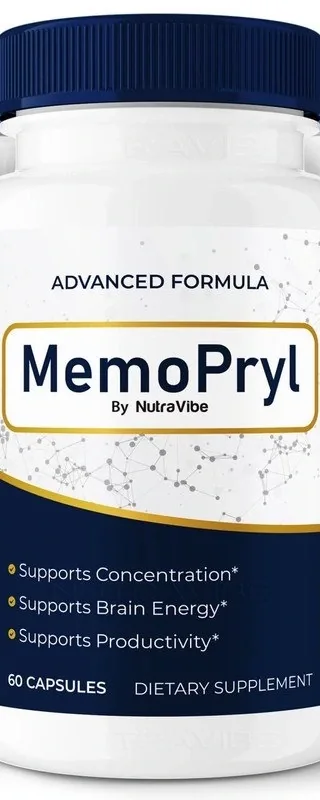
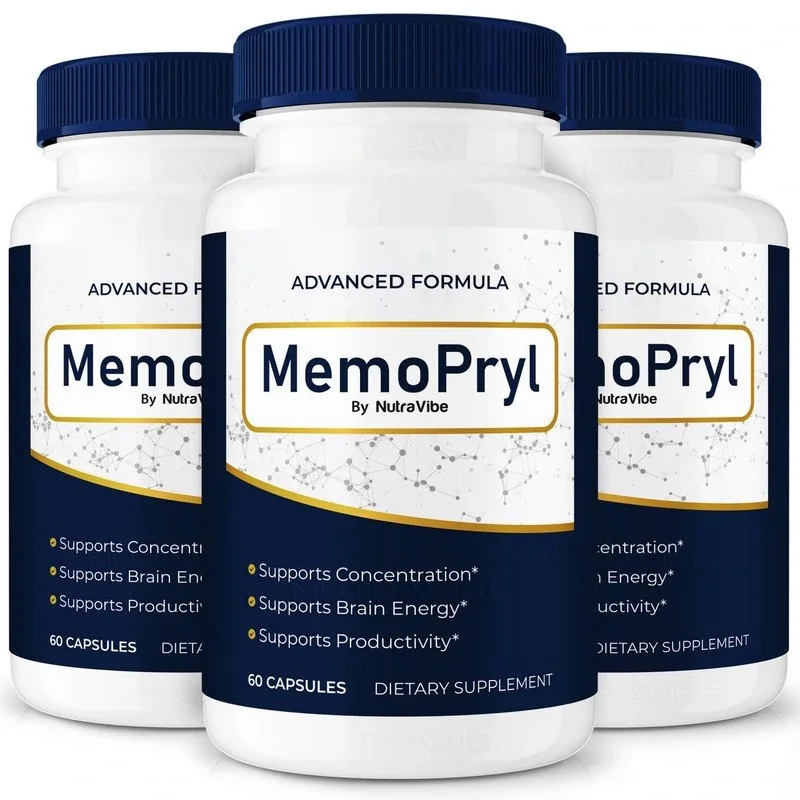
MemoPryl: capsules in 2, 3 or 6 bottlesRead the bottle · check your medicines · 60-day window (confirm)
See packsWhat does that mean for a bottle like MemoPryl?
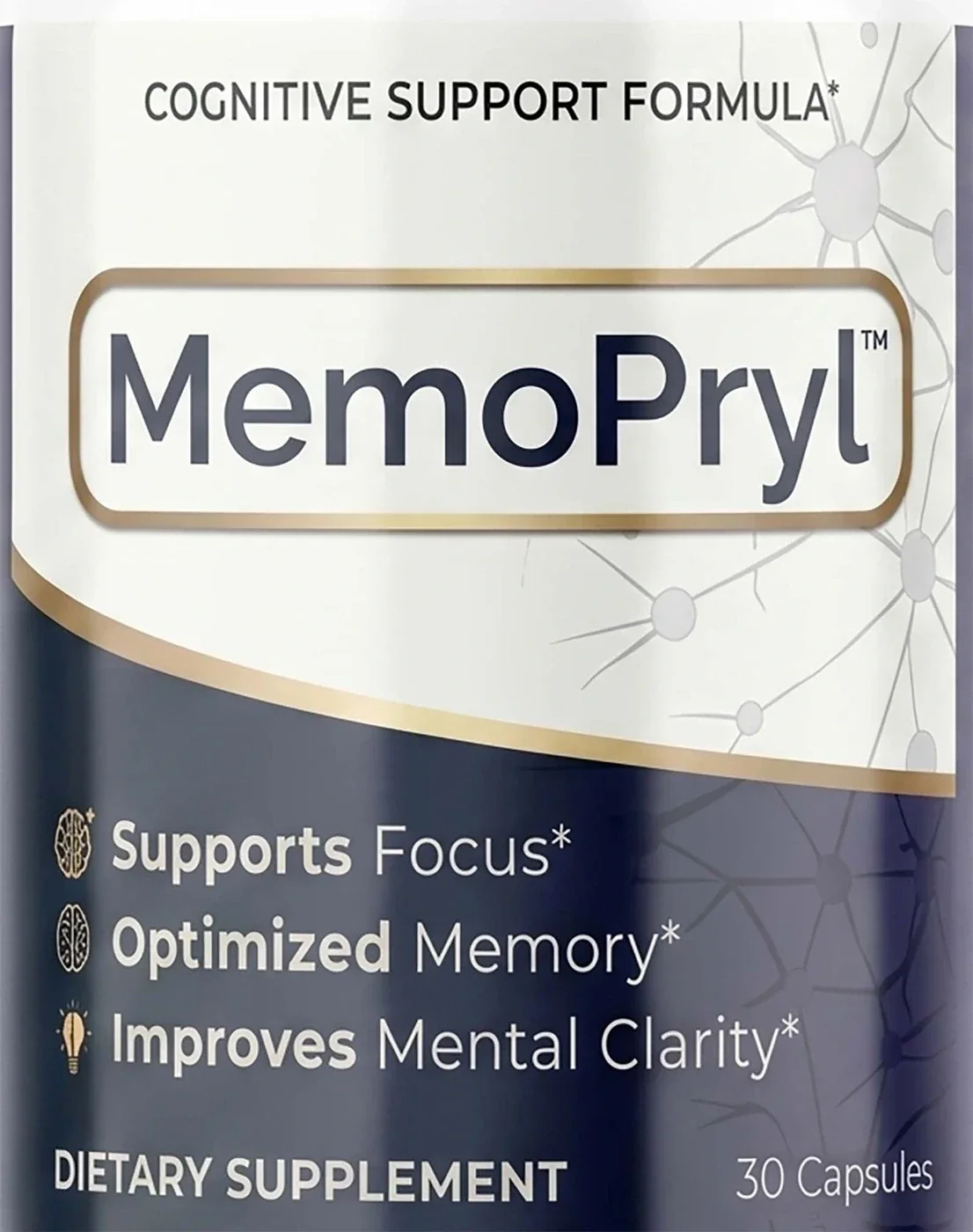
MemoPryl is sold as a dietary supplement in capsules. It is not a medicine and no FDA approval applies to it.
Its label wording, such as "Supports Focus*", is a structure/function claim. The bottle images we hold show no Supplement Facts panel, so amounts are not published. Six names are linked to a sibling pack, but they are unconfirmed for the bottle you receive.
The ingredients page lists the six names and says plainly what is missing.
How should I treat a supplement if I take real medicine?
Treat it like a medicine when you plan the day: tell your pharmacist.
FDA warns that some supplements can change how prescribed drugs work, and that a clinician may ask you to stop some before a procedure (FDA, Mixing Meds and Supplements). Keep taking any prescribed medicine, and ask your doctor or pharmacist before you start a new supplement.
Bring the bottle, not just the name. A pharmacist can only check what is written down.
Thinking about MemoPryl?Check your medicines with a pharmacist first. Prices and the 60-day window are confirmed at checkout.
Middle pack
3 bottles
Not listed on the packNot listed on the pack a bottle · Not listed on the pack
Get 3 bottlesLargest pack
6 bottles
Not listed on the packNot listed on the pack a bottle · Not listed on the pack
Get 6 bottlesPrices are fill-in fields until the seller's list is confirmed. The checkout shows the final total.
FAQ01
MemoPryl questions people ask
Can a dietary supplement treat a disease?
No. A supplement may not claim to treat, cure or prevent a disease. It may use structure/function wording, which FDA does not pre-approve and which must carry a disclaimer.
Are supplements regulated at all?
Yes, but after sale. Companies must meet safety rules and keep label claims truthful. FDA does not approve the product first, and it can act on problems it finds afterward.
Is a supplement safer than a drug because it is natural?
Not automatically. NCCIH says natural does not always mean safe. Herbs can interact with medicines and cause side effects, so the word on the front is not a safety test.
Who wrote this02
Written and reviewed by
Pages built from the bottle images, the seller's product notes and linked NIH, FDA, FTC and peer-reviewed sources.
Last updated . Learn about our editorial standards and how we check reviews. This website is run by Official stocking desk for MemoPryl, not by the manufacturer or the distributor of the bottle. We make money when you buy through our order links.
Keep reading
More about MemoPryl
Official stocking desk for MemoPryl
Ready to look at MemoPryl?
Read the bottle you receive, check your medicines with a pharmacist, then choose a pack. Prices and the guarantee terms are confirmed at checkout.
- Order desk: +1 (302) 200-3480
- 60-day window (confirm at checkout)
- Ships from the U.S. unless the checkout says otherwise